The Real Cost of a $250M+ Superyacht in 2026 (Crew, Fuel, Insurance, Docking)

The hidden financial burden of $250M+ superyachts in 2026. Explore real annual expenses for crew, fuel, insurance, docking, and elite onboard security.

Unseen operating economics of the world’s most private asset class.
Owning a $250M+ superyacht is more than a display of extreme wealth. It is an acquisition of mobility, privacy, and sovereignty, three privileges that define modern power. Yet the true cost is not the vessel itself. It is the annual expense of maintaining a private floating enterprise that rivals a luxury hotel, a military unit, and a data center combined.
In 2026, inflation across fuel markets, global security threats, climate risk, port scarcity, and new insurance frameworks have redefined what it means to operate a vessel at this level. Below is a breakdown that only the ultra-wealthy quietly pay.
1. Crew: The Floating Private Workforce
A $250M yacht cannot operate with ordinary staff. It requires a trained labor force ranging from Michelin-level chefs and medical personnel to marine engineers and digital security specialists. Increasingly, yachts also employ ex-military security teams and onboard cybersecurity officers.
Annual Staffing Cost: $4 million to $10 million
Typical positions include:
- Captain
- Chief Engineer
- Private Chef (with Michelin experience)
- Cybersecurity Officer
- Security Team
- Housekeeping, Stewards, Spa Personnel
- Engineers, Navigation Officers, Tender Crew
The cost rise is driven by global labor shortages in luxury hospitality, competition from private aviation, and the addition of cybersecurity roles, now considered mandatory.
2. Fuel: A Transition Toward Expensive “Green Power”
Large superyachts can burn between 500 and 1,000 liters of fuel per hour at cruising speed. While sustainable fuels and hybrid systems are becoming popular among billionaires seeking ESG-aligned portfolios, these upgrades increase costs rather than reduce them.
Annual Fuel Cost: $3 million to $8 million
The shift toward hydrogen and methanol engines through 2026–2030 will further raise operational expenses, especially due to limited refueling infrastructure.
3. Insurance: A Global Multi-Risk Asset
Marine insurance premiums have surged due to piracy, geopolitical instability, extreme weather, and the onboard value of art collections, high-tech systems, and tenders such as helicopters and submarines.
Annual Insurance Cost: $2.5 million to $12 million
Premiums vary according to:
- cruising zones
- presence of armed security
- hurricane-exposed seasons
- declared value of onboard assets
4. Docking and Privileged Access
Yachts above 150 meters cannot simply dock anywhere. They compete for a small number of elite berths in places such as Antibes, Monaco, Palm Beach, and Dubai. Limited capacity creates a private real estate market on the water.
Annual Docking and Mooring Expenses: $1.5 million to $5 million
Some ports charge one-off infrastructure fees for accommodating exceptionally large yachts. In select locations, priority access is sold privately, not listed publicly.
5. Discretionary Add-Ons and Private Capabilities
Beyond operational expenses, owners invest heavily in personalization, security, art storage, and exploration technology. These costs vary dramatically based on lifestyle and strategic needs.
Examples of Typical Additional Purchases
- Private submarine
- Helicopter and onboard hangar
- Fine art vaults with climate control
- Wine cellars curated by global vintners
- Underwater surveillance and defense systems
Annual Discretionary Spending: $5 million to $30 million
These decisions reflect not luxury alone but personal sovereignty and risk management, particularly in regions where kidnapping, cyber intrusion, and asset tracking are commercial threats.
The Real Financial Equation
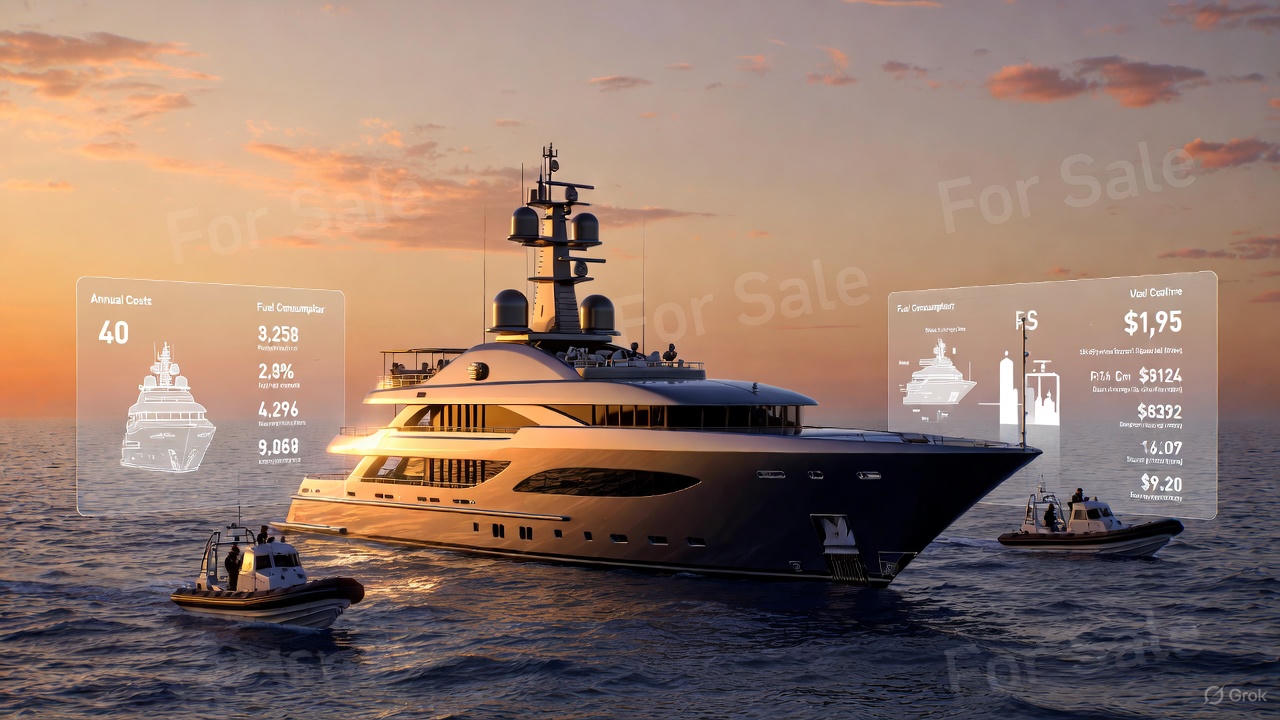
Expense CategoryAnnual Cost RangeCrew = $4M – $10M
Fuel = $3M – $8M
Insurance = $2.5M – $12M
Docking = $1.5M – $5M
Discretionary Add-Ons = $5M – $30M
Total Annual Cost: $16 million to $65 million
Owning a $250M superyacht is therefore not a one-time purchase. It is a recurring annual investment equivalent to operating a private enterprise with its own infrastructure, labor force, security ecosystem, and regulatory exposure.
Conclusion
For billionaires, the yacht is not a vehicle. It is a privately governed territory, an asset that provides jurisdictional fluidity, anonymity, and physical autonomy. The financial question is no longer “Can I afford one?” but “Do I want to manage a sovereign mobile estate?”
Images :
Comments 0



Recommended Post


Top U.S. Lawmaker Accuses DOJ of Cover-Up in Jeffrey Epstein Files


Lindsey Graham’s Rhetoric Fuels Chaos While He Denies Responsibility




Leave a Comment