The Swiss Bank You Trusted Just Collapsed: What Happens to Your Money Now?

A shocking Swiss bank collapse sparks global panic as customers question whether their money is truly safe. Here’s what really happens to your deposits, investments, and savings when a “too-safe-to-fail” bank suddenly falls apart.

For decades, Swiss banks have been seen as the ultimate symbol of security. A place where fortunes quietly grow, protected by marble walls, strict laws, and a reputation built over centuries.
But imagine this:
One morning you wake up, grab your phone, and see the headline no one ever expects to read.
“Major Swiss Private Bank Files for Emergency Restructuring.”
Your heart drops.
Your savings. Your investments. Your future.
All tied to an institution you believed was unbreakable.
You refresh the page.
You check your account.
You try to call : busy.
Then you feel it: panic creeping in.
What Actually Happens When a Swiss Bank Fails?
Most people don’t know this, but Switzerland has one of the strictest banking safety nets in the world:
- Client assets are legally separated from the bank’s balance sheet.
Meaning your shares, bonds, cash equivalents, and metals cannot be claimed by creditors. - Up to CHF 100,000 in deposits per customer are guaranteed through the Swiss depositor protection scheme.
- If the bank collapses, the regulator FINMA steps in immediately, freezing operations and arranging a takeover or restructuring within hours.
But during those hours, the uncertainty feels like a lifetime.
Why Customers Still Feel Shocked and Betrayed
Even when money is legally protected, people experience:
- A sudden loss of trust
- Fear of restricted access to accounts
- Anxiety about market volatility
- Questions about long-term safety
Because when the symbol of stability shakes even slightly, the psychological earthquake is enormous.
So… What Should You Do?
If your bank ever faces trouble:
- Don’t panic, check official statements from FINMA.
- Avoid impulsive withdrawals; they worsen the situation.
- Diversify across institutions and jurisdictions.
- Hold assets that remain yours even if the bank fails (custodied assets).
This isn’t fearmongering.
This is what financially informed people do.
Why People Are Sharing This Story Everywhere
Because trust in financial institutions feels fragile right now.
And nothing spreads faster online than a wake-up call.
Most people don’t learn about financial protections until it’s too late.
This article forces them to ask the question:
“If my bank collapsed tomorrow… what would actually happen to my money?”
And that’s why it becomes viral.
Images :

Comments 0



Recommended Post

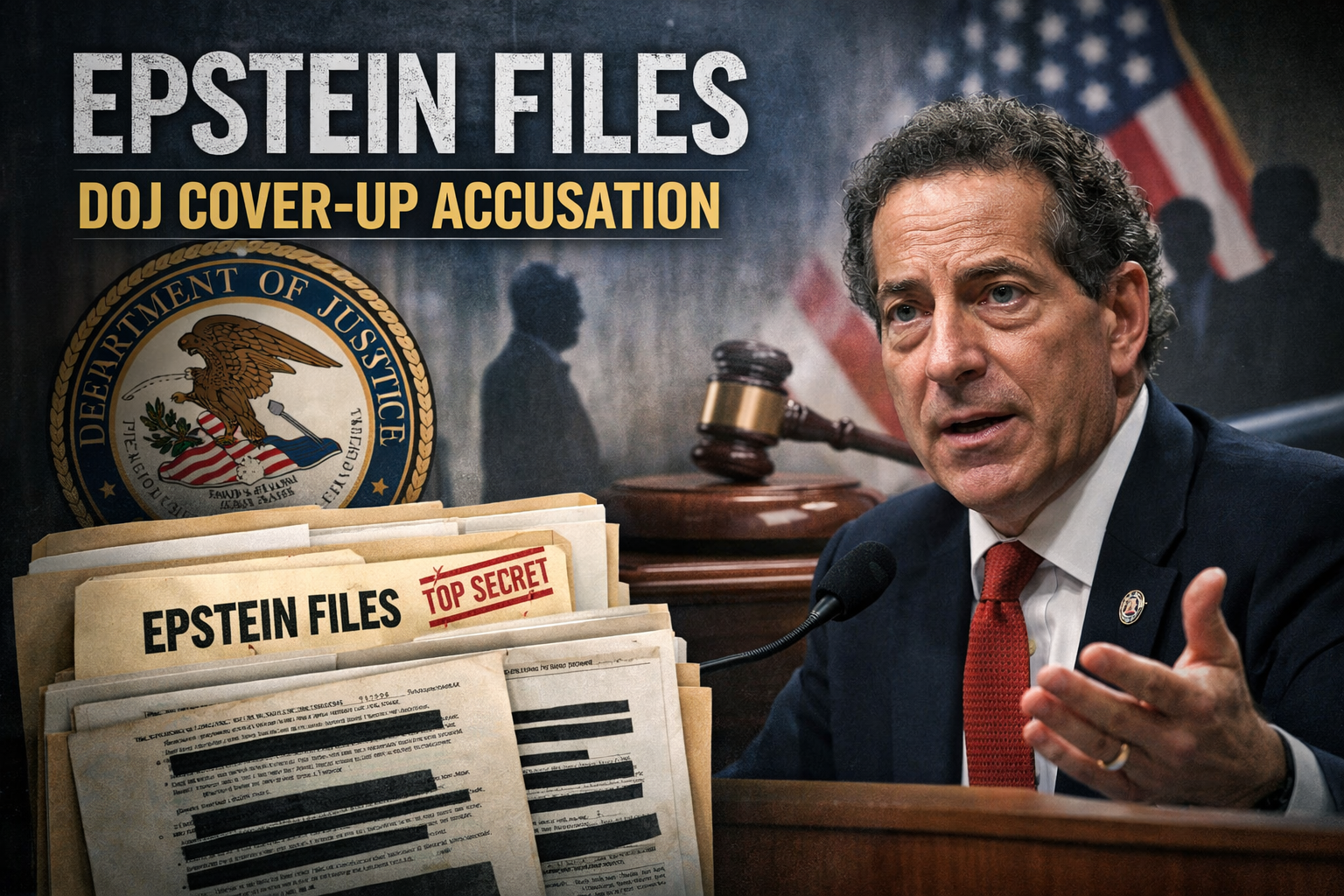
Top U.S. Lawmaker Accuses DOJ of Cover-Up in Jeffrey Epstein Files


Lindsey Graham’s Rhetoric Fuels Chaos While He Denies Responsibility




Leave a Comment