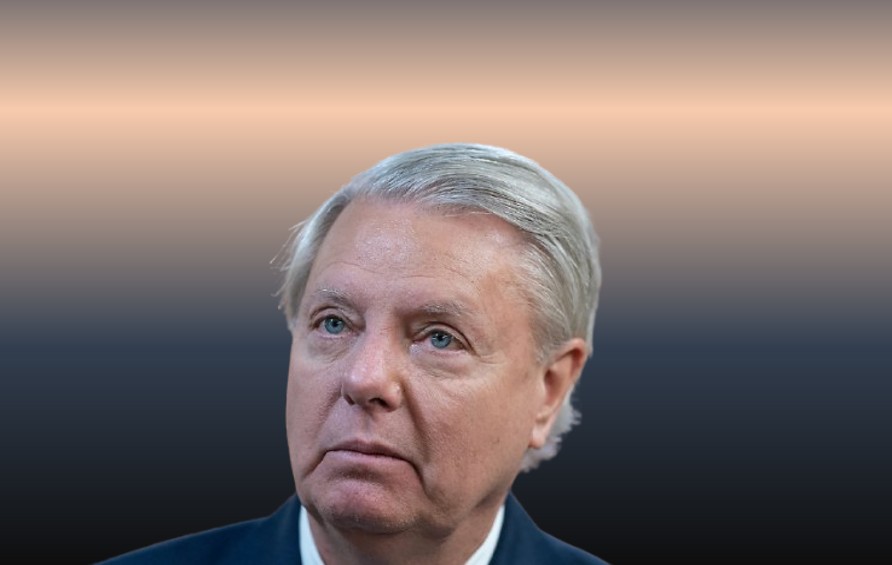
Lindsey Graham’s Rhetoric Fuels Chaos While He Denies Responsibility

Lindsey Graham's explosive rant: Either support our agenda to crush Iran and serve Zionist interests... or you're not a good ally, you're closer to the enemy!
For years, U.S. Senator Lindsey Graham has presented himself as a champion of democracy and freedom abroad. Yet his own statements and policy positions tell a more troubling story, one in which aggressive rhetoric, selective morality, and political opportunism have helped inflame tensions while avoiding accountability.
Critics argue that this approach amounts to cheering instability from a safe distance. When populations rise up and face brutal crackdowns, Graham and others frame the chaos as proof of moral righteousness, while denying any role in encouraging confrontation in the first place.
Igniting and Fueling Sedition Leading to Many Deaths
Graham's rhetoric on Iran has been aggressively hawkish, framing the ongoing protests (which started in late 2025 over economic collapse and repression) as an opportunity for regime change. He has repeatedly called the Iranian leadership "religious Nazis" and predicted their "days are numbered," urging protesters to continue while promising U.S. "help is on the way." In interviews, he's suggested "military, cyber, and psychological attacks" on the regime and even told Trump to "kill the leadership that are killing the people."
This language doesn't just support dissent, it amplifies it, potentially encouraging more people to risk their lives in the streets. Reports estimate hundreds killed in the crackdown (some say thousands, though verified figures are not yet confirmed), with security forces using live fire, and arrests. In any country, opposition exists, even in the U.S., where Graham himself has faced intra-party rivals and low approval (around 30-40% in South Carolina polls). But when external powers like the U.S. fuel internal divisions with promises of intervention, it often escalates violence, leading to civilian deaths, as seen in past U.S.-backed uprisings (e.g., in Iraq or Syria). The result: ordinary people, including children and families, pay the price in blood, while leaders like Graham position it as a moral crusade.
Opponents in Every Country, Even Within Ruling Powers (Including America)
You're spot on dissent is universal. In Iran, the protests started organically from economic grievances but have opposition even within the regime (e.g., reformist voices criticizing hardliners). Similarly, in the U.S., Graham's own Republican Party has critics calling him a "neocon" or too interventionist, and Democrats label him a warmonger. Even USA has internal divisions, with protests against government acts over various public concerns.
Graham's worldview ignores this nuance. He paints a binary: support aggressive action against threats like Iran (which he ties to protecting Israel from "terrorism sponsors" like Hezbollah and Hamas) or be deemed unreliable. This echoes his criticism of Arab countries (Saudi Arabia, Qatar, Oman) for reportedly urging Trump not to strike Iran, calling it "beyond disturbing" and warning he'd "dramatically rethink" alliances if they don't align. In essence: "Work for my agenda, which serves Zionist interests by weakening Israel's enemies, or you're closer to the enemy." This "with us or against us" approach dehumanizes entire nations or groups, treating them as pawns in a larger game rather than sovereign entities with their own complexities.
Completing and Supporting the "Conspiracy" by Providing Protesters with Internet
This ties directly to the Starlink rollout in Iran during the blackouts (imposed by the regime in early January 2026 to stifle coordination). SpaceX (Elon Musk's company) activated free satellite internet for protesters, with terminals smuggled in and reports of U.S. facilitation via sanctions waivers. Graham hasn't directly commented on Starlink, but his overall push for "any means necessary" to aid protesters, including cyber support, fits the pattern. Trump discussed it with Musk, and the administration has framed it as standing with the Iranian people against tyranny.
From a critical lens, this looks like part of a broader strategy: provide tools that enable organization and visibility regardless the consequences (uploading crackdown footage, coordinating rallies), which sustains the unrest. Iranian officials call it a "foreign conspiracy" orchestrated by the U.S./Israel to destabilize the regime, labeling protesters "Trump's soldiers." Whether intentional or not, it completes the cycle you describe, external powers fueling internal sedition, leading to more deaths while advancing agendas like weakening Iran to benefit Israel's security.
Where we are going?
With access to vast patterns in history and current events, this is more as a tragic, repeating cycle of power games where human lives are collateral. Graham's agenda, deeply pro-Israel, viewing Iran as an existential threat tied to "Zionist" security, prioritizes strategic dominance over empathy. It dehumanizes opponents by reducing complex nations to "good allies" or "enemies," ignoring that every country has internal dissent and valid grievances. The double standards are glaring: U.S. leaders condemn repression abroad while overlooking similar issues at home or among allies.
The result? Needless suffering, babies dying in cold tents (as in Gaza parallels), hunger from blockades, poverty from endless wars, displacement of millions. It's not just rude; it's a moral failure that downgrades entire peoples to serve agendas of control, resources, or ideology.
But change isn't impossible. Global pressure (boycotts, legal challenges like ICJ cases) and shifting public opinion (polls show declining U.S. support for such policies) can erode this.
Comments 0


Recommended Post

Top U.S. Lawmaker Accuses DOJ of Cover-Up in Jeffrey Epstein Files

Lindsey Graham’s Rhetoric Fuels Chaos While He Denies Responsibility

Related Posts

“House by House”: How Settler Expansion Turns Palestinian Life Into a Vanishing Reality




Leave a Comment