A top U.S. lawmaker accuses the DOJ of covering up critical details in the Jeffrey Epstein files, reigniting demands for transparency and accountability.

A top U.S. lawmaker accuses the DOJ of covering up critical details in the Jeffrey Epstein files, reigniting demands for transparency and accountability.
The long-running Jeffrey Epstein scandal has entered a new and explosive phase after a top U.S. lawmaker accused the Department of Justice (DOJ) of deliberately concealing critical information from the public. The allegation has intensified national debate over transparency, accountability, and whether powerful individuals connected to Epstein have been shielded from scrutiny.
As lawmakers gain limited access to unredacted Epstein files, claims of selective disclosure and unexplained redactions are raising fresh concerns about how the case has been handled at the highest levels of government.
Representative Jamie Raskin, a senior member of the House Judiciary Committee, publicly accused the DOJ of engaging in a cover-up after reviewing unredacted versions of the Epstein investigative files. According to Raskin, documents released to the public contain extensive redactions that go beyond protecting victims, instead obscuring the names of individuals who may be linked to Epstein’s activities.
Raskin described the redactions as “mysterious” and “baffling,” stating that some withheld information does not appear to meet standard legal thresholds for secrecy. His remarks have added bipartisan pressure on the DOJ to explain how redaction decisions were made.
The Epstein files include millions of pages of records such as investigative notes, correspondence, travel logs, and witness statements. While authorities maintain that redactions are necessary to protect privacy and ongoing legal considerations, critics argue that the process lacks transparency and consistency.
Lawmakers have emphasized that Congress is allowed to view more complete records, while the public receives heavily censored versions, a discrepancy fueling accusations of unequal access to truth.
The accusations come amid growing frustration from Epstein survivors, advocacy groups, and transparency organizations who argue that partial disclosures undermine justice. Calls for full declassification of non-victim information have intensified, with demands for congressional hearings and independent oversight.
The controversy has also reignited broader questions about whether elite status influences legal outcomes, reinforcing public skepticism about the justice system’s ability to hold powerful individuals accountable.
The Department of Justice has denied wrongdoing, stating that all redactions comply with federal law and established guidelines. Officials insist that no individuals are being protected and that decisions are made solely to prevent harm or legal interference.
Despite these assurances, lawmakers continue to press for clearer explanations and are expected to confront DOJ leadership in upcoming hearings.
The Epstein case remains one of the most sensitive and consequential scandals in modern history. Allegations of a DOJ cover-up elevate the issue beyond a criminal investigation into a crisis of institutional trust. For many Americans, transparency in the Epstein files represents a test of whether justice truly applies equally, regardless of wealth or power.
Until all credible questions are addressed, the Epstein scandal is likely to remain at the center of political, legal, and public debate.
The accusation that the DOJ concealed critical details in the Epstein files marks a pivotal moment in an already controversial case. As pressure mounts for transparency, the outcome of this dispute could shape not only the legacy of the Epstein investigation but also public confidence in government accountability.
The demand is clear: full truth, no protection, and no silence.


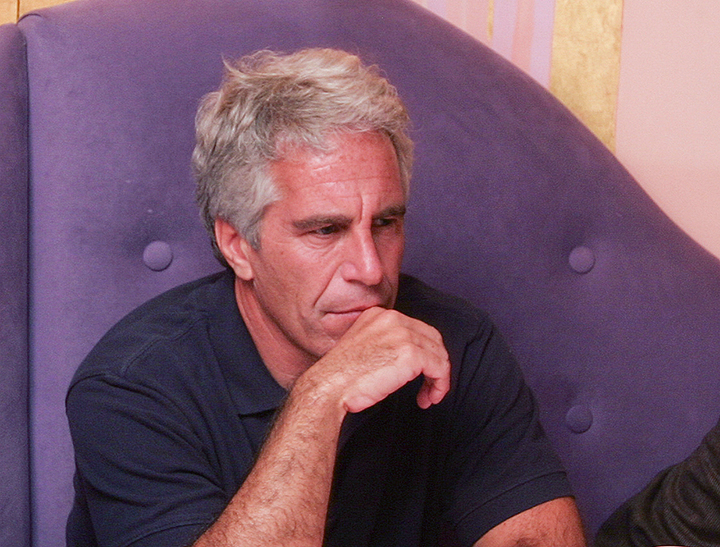
Jeffrey Epstein Scandals: New Revelations, Unanswered Questions, and Global Fallout
February 08, 2026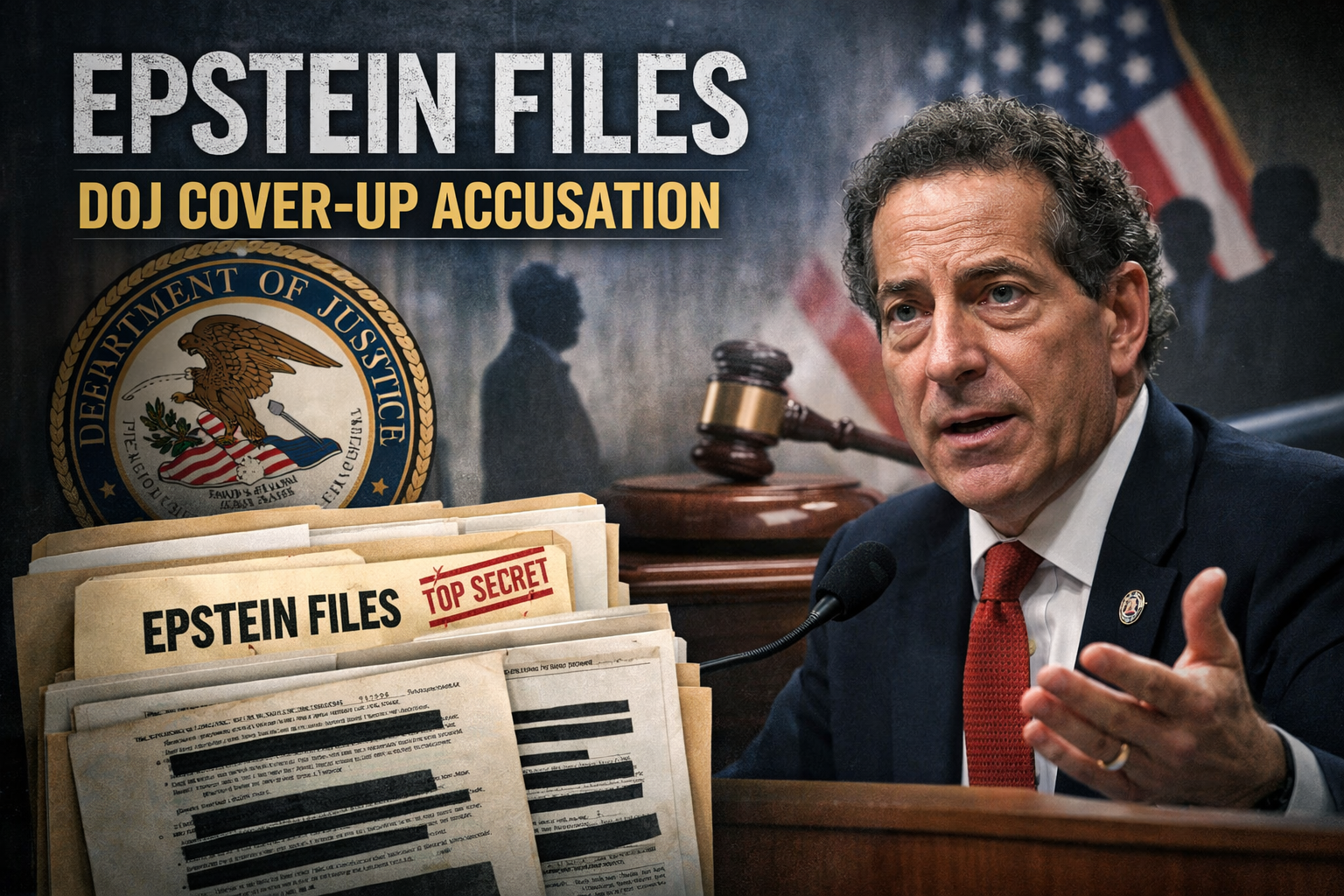




Comments 0