The Jeffrey Epstein scandal exposes elite corruption, sexual abuse, and institutional failure as new files and survivor voices renew calls for justice.

The Jeffrey Epstein scandal exposes elite corruption, sexual abuse, and institutional failure as new files and survivor voices renew calls for justice.
The Jeffrey Epstein scandal is no longer just a criminal case from the past. It has become a lasting global controversy that continues to expose the darkest intersections of wealth, power, sexual exploitation, and institutional failure. Years after Epstein’s death in a federal jail cell, the case remains unresolved in the court of public opinion, fueled by new document releases, survivor testimony, and persistent questions about who was protected — and why.
Unlike many high-profile scandals that fade with time, Epstein’s name continues to resurface with renewed intensity. Each new disclosure reignites public anger and deepens distrust in governments, justice systems, and elite institutions. At its core, the Epstein scandal challenges a fundamental belief: that the law applies equally to everyone.
Jeffrey Epstein presented himself as a financial genius, a discreet advisor to billionaires, politicians, and royalty. Despite limited public records of legitimate financial success, Epstein amassed extraordinary wealth and social capital. He owned multiple luxury properties, including a private island, and traveled freely among the world’s most powerful circles.
Epstein’s rise remains deeply suspicious. Former associates and investigators have long questioned how a man with opaque finances gained access to such influence. His ability to embed himself within elite networks allowed him to operate in plain sight, hosting high-profile guests, attending exclusive events, and cultivating relationships that blurred the lines between finance, politics, and power.
At the heart of the scandal are the victims; dozens of girls, many of them minors, who have described eerily similar patterns of abuse. According to court records and survivor accounts, Epstein:
The consistency of these accounts paints a clear picture of systematic exploitation, not isolated misconduct. Survivors have emphasized that Epstein’s operation depended on secrecy, fear, and the assumption that no one would believe them.
One of the most criticized chapters in the Epstein saga is the 2008 plea deal, which allowed him to avoid federal prosecution despite overwhelming evidence. Epstein served minimal jail time under lenient conditions, a decision that has since been condemned by legal experts, lawmakers, and victims’ advocates.
This deal became a symbol of justice compromised by influence. Internal communications later revealed that victims were not properly informed, a violation of their legal rights. The plea agreement not only allowed Epstein to resume his lifestyle but also reinforced the perception that wealth could override accountability.
Few aspects of the Epstein scandal generate as much controversy as his proximity to powerful individuals. Flight logs, photographs, and social calendars show Epstein interacting with:
While association alone does not prove criminal involvement, critics argue that Epstein’s access created a protective shield. The lack of transparency around these relationships has fueled accusations of selective justice and institutional reluctance to pursue powerful figures.
In 2019, Epstein’s arrest on federal sex-trafficking charges briefly restored public confidence that justice might finally prevail. Prosecutors described his crimes as severe, organized, and long-standing. Survivors prepared to testify, and expectations were high that the full scope of Epstein’s network would be exposed in court.
That reckoning never came.
Epstein’s death in a federal detention center shocked the world. Although authorities ruled it a suicide, numerous irregularities immediately raised concerns:
For many observers, Epstein’s death symbolized a catastrophic institutional failure, or worse. Whether through negligence or something more sinister, the result was the same: Epstein would never face trial, and many questions would die with him.
In the years following Epstein’s death, governments released portions of investigative files in response to public pressure. These documents confirmed extensive abuse but also revealed:
Survivors argue that partial transparency is not justice. Advocacy groups insist that withholding names and evidence perpetuates the very system that allowed Epstein to thrive.
Despite legal setbacks, survivors have refused to be silenced. Many have pursued civil lawsuits, spoken publicly, and demanded reforms. Their advocacy has reshaped how society views sexual exploitation by the powerful.
For survivors, the Epstein scandal is not about conspiracy theories, it is about recognition, accountability, and systemic change.
The Epstein scandal has reverberated far beyond U.S. borders. International institutions have reopened inquiries into Epstein’s foreign connections, exposing how elite networks operate across jurisdictions.
This global dimension underscores a chilling truth: exploitation flourishes where power is unchecked and oversight is weak.
The Epstein case remains relevant because it exposes enduring problems:
It forces societies to confront uncomfortable questions about who the law truly serves.
The Jeffrey Epstein scandals represent more than one man’s crimes, they reflect a system that failed repeatedly, spectacularly, and publicly. Until all credible evidence is released, all victims acknowledged, and all institutions held accountable, the Epstein case will remain unresolved.
History will judge not only Jeffrey Epstein, but also the systems that allowed him to operate for decades without consequence.
Justice delayed is not justice denied, it is justice unfinished.


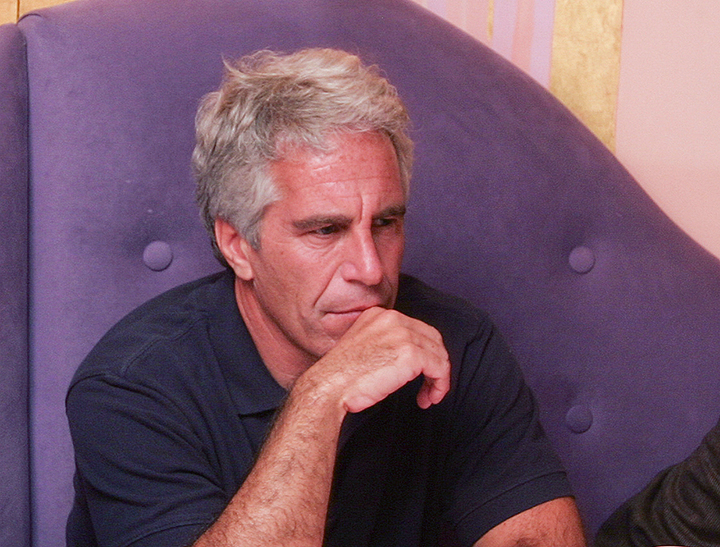
Jeffrey Epstein Scandals: New Revelations, Unanswered Questions, and Global Fallout
February 08, 2026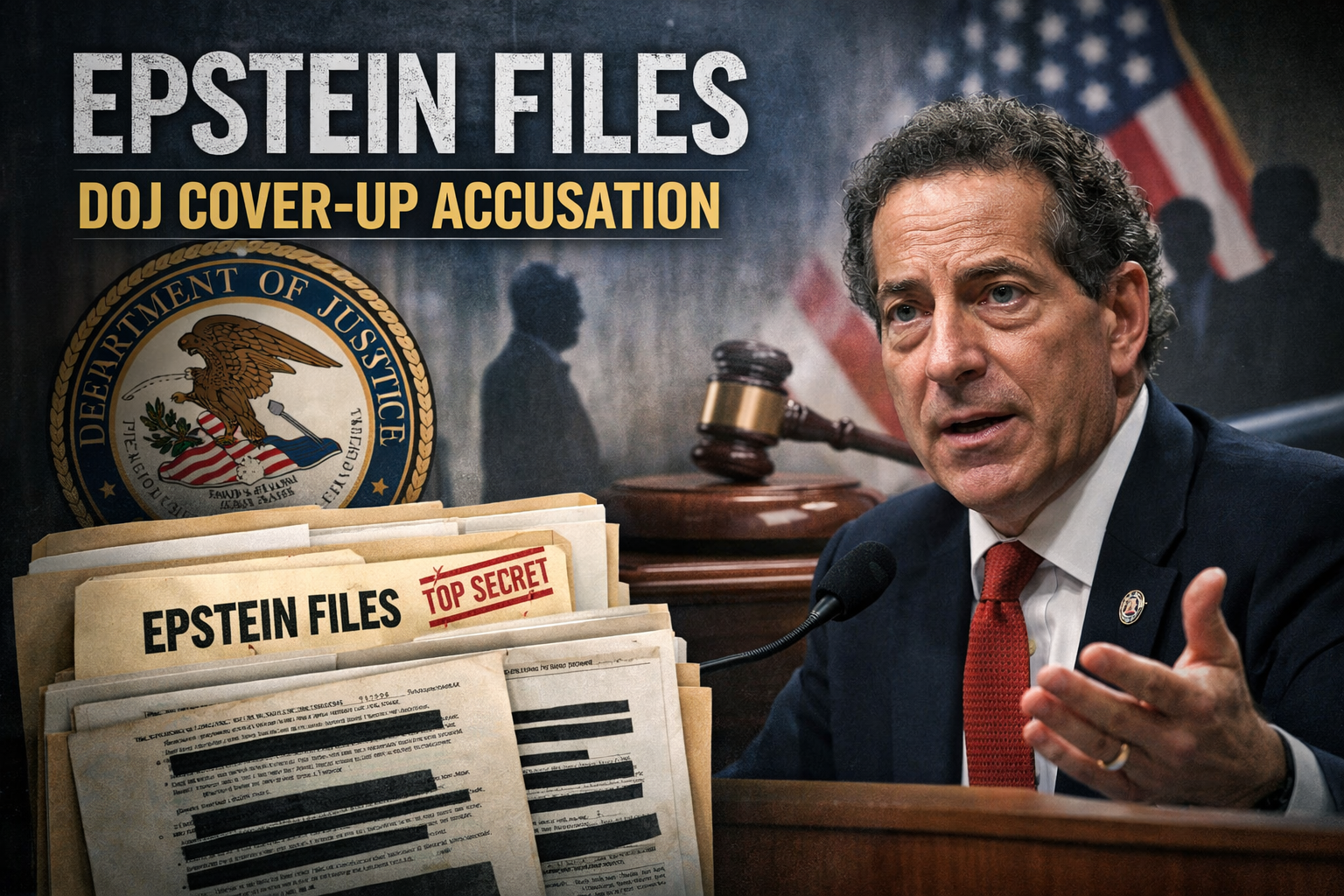






Comments 0