Global Energy Prices Surge- Manufacturing, Transport & Commodity Firms Brace for Inflation Waves

Global energy prices are rising sharply, impacting manufacturing, transport, and commodity markets worldwide. Experts warn the surge could trigger a major inflation wave in 2026 as industries prepare for higher costs and supply-chain volatility.
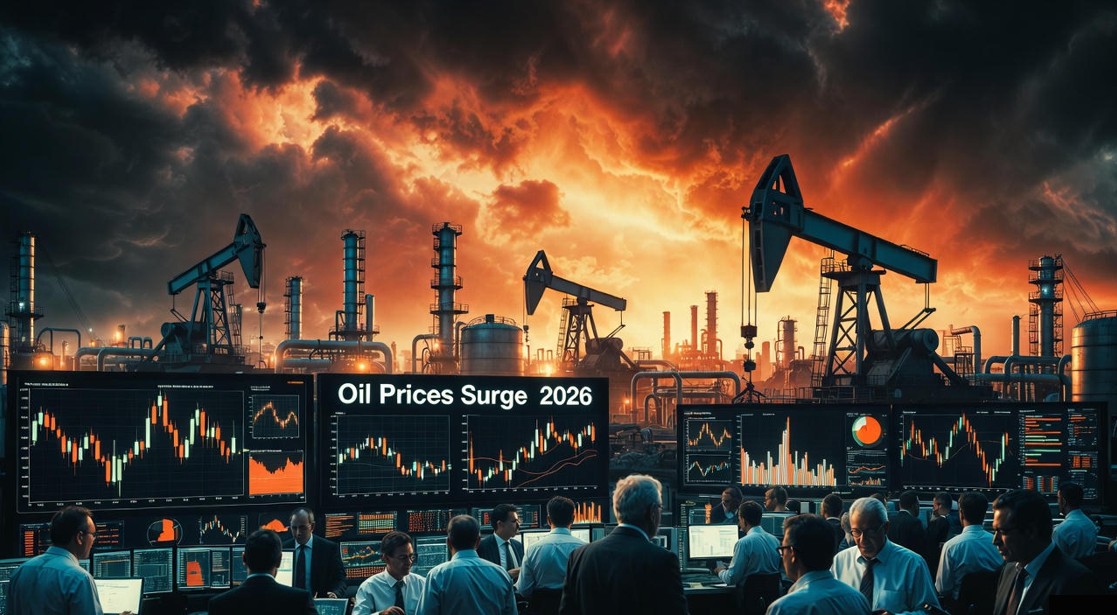
London / Singapore A sharp and unexpected surge in global energy prices is sending shockwaves across manufacturing hubs, transport networks, commodity markets, and corporate balance sheets. Analysts warn that the current trajectory could trigger a new inflation wave in early 2026, forcing businesses worldwide to revise forecasts, raise prices, and rethink supply strategies.
The spike led by stronger-than-expected oil demand in Asia, renewed geopolitical risks across key maritime routes, and tightening natural-gas inventories is now considered one of the most significant market disruptions since the post-pandemic energy shock.
A Sudden Energy Rally With Global Consequences
Oil benchmarks have surged in recent weeks, with crude crossing critical psychological thresholds that many multinational firms did not price into their 2026 planning. Natural-gas contracts in Europe and East Asia have also jumped, driven by storage concerns and colder-than-expected seasonal forecasts.
For energy-intensive industries; steel, cement, chemicals, aviation, shipping, and logistics, the rise is already impacting daily operating costs.
Senior energy strategists warn that if prices remain elevated through Q1 2026, the second-order effects will spill into retail, food production, construction materials, electronics, and global shipping rates.
Manufacturers Begin Emergency Cost Reviews
Industrial manufacturers across Europe, China, India, and the U.S. are conducting urgent internal reviews to reassess procurement costs and operational budgets. Firms with thin margins, particularly in heavy manufacturing, could face immediate pressure to pass costs to consumers.
Economists note a worrying pattern: companies are reducing overtime, slowing production cycles, and in some cases postponing capital investments until energy markets stabilize.
Some multinational suppliers have already notified clients that raw-material prices will increase starting January, citing “unavoidable fuel and energy adjustments.”
Transport & Logistics Prepare for Price Hikes
Transport is among the first sectors to feel the shock.
- Aviation carriers are preparing for higher fuel surcharges.
- Shipping lines are warning of new bunker-fuel and insurance adjustments particularly for routes affected by instability in the Red Sea and eastern Mediterranean.
- Trucking fleets in Europe and North America expect margins to shrink unless clients accept new pricing models.
If the energy rally continues, global freight could become significantly more expensive raising the final price of electronics, food, pharmaceuticals, and consumer goods.
Commodity Markets Signal 2026 Inflation Wave
Commodity traders say that rising energy prices create a chain reaction:
- Mining operations become more expensive.
- Food and agriculture face higher fertilizer and transport costs.
- Metals and construction materials adjust to new production expenses.
- Supply-chain volatility increases, especially in developing economies.
This dynamic could push inflation upward again in early 2026, precisely when many central banks hoped to begin rate-cut cycles.
Central Banks on Edge: Rate Cuts Now in Question
The U.S. Federal Reserve, European Central Bank, and Reserve Bank of India are all closely monitoring the energy spike. Rate-cut expectations for 2026 may be delayed if inflation indicators show renewed upward movement.
A senior analyst in London noted:
“Energy is the single fastest way to reawaken inflation. If this trend continues, monetary easing could be pushed further into the year.”
Looking Ahead: A Volatile Start to 2026
Most economists agree on one point: the energy markets of 2026 will be more volatile than previously forecast. Companies across all sectors, from manufacturing and retail to freight and food production are bracing for the impact.
If prices stabilize before Q2, inflation may cool gradually. But if the upward trend persists, global consumers and businesses could face one of the most turbulent cost-pressure cycles of the decade.
For now, industries worldwide are preparing for a year shaped by uncertainty, shifting supply chains, and the relentless influence of global energy markets.
Comments 0



Recommended Post


Top U.S. Lawmaker Accuses DOJ of Cover-Up in Jeffrey Epstein Files


Lindsey Graham’s Rhetoric Fuels Chaos While He Denies Responsibility







Leave a Comment