Russia signals limited openness to new peace talks, but Putin insists Ukraine must withdraw from contested regions raising doubts about genuine diplomatic progress.

Russia signals limited openness to new peace talks, but Putin insists Ukraine must withdraw from contested regions raising doubts about genuine diplomatic progress.
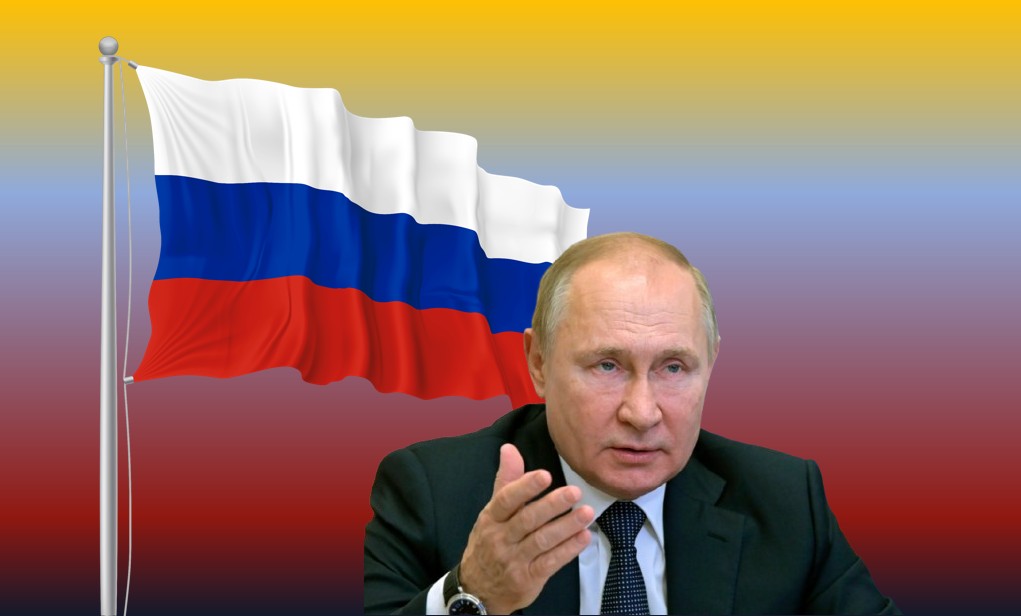
Russian President Vladimir Putin has signaled a conditional willingness to explore a new round of peace discussions over the war in Ukraine, but his latest remarks suggest that any diplomatic opening remains tightly constrained by Moscow’s long-standing territorial demands.
Speaking during a visit to Central Asia, Putin described recent international proposals including a U.S.-mediated framework as “possible foundations” for future negotiations. Yet he immediately paired that statement with a firm ultimatum: Ukrainian forces must pull back from territories that Russia claims, a condition Kyiv has repeatedly dismissed as unacceptable.
Analysts say Putin’s comments appear designed to project openness without conceding meaningful ground. By framing the peace outline as a “starting point,” Russia positions itself as a willing participant while maintaining a maximalist stance on territorial recognition.
For Moscow, linking a ceasefire to Ukrainian withdrawal serves two purposes:
Ukrainian officials responded swiftly, reiterating that no Ukrainian government could consent to withdrawal from sovereign territory or acknowledge Russia’s annexation claims. For Kyiv, any negotiation must begin with security guarantees, territorial integrity, and Russia’s withdrawal, not the reverse.
This fundamental divide continues to make a breakthrough unlikely, despite renewed international efforts.
Western governments view Russia’s latest statements as a familiar pattern: hint at dialogue to ease diplomatic pressure while insisting on terms that Kyiv cannot accept. Still, the geopolitical environment has shifted enough that major powers are examining whether even a narrow diplomatic channel should be tested.
European officials privately express concern that an extended stalemate could widen fractures within Western alliances, especially as debates over military funding grow more contentious.
For the Kremlin, signaling a controlled openness to diplomacy may serve several internal and external aims:
Despite the diplomatic noise, the underlying realities remain unchanged:
Given these hardened positions, meaningful peace talks are unlikely in the near term. What is more plausible is a prolonged diplomatic dance, with each side using negotiation rhetoric to bolster strategic positioning.
Putin’s latest remarks do not signal a breakthrough but they do mark a recalibration in tone at a moment when both sides are searching for leverage. Whether this represents a genuine opening or merely another iteration of strategic messaging remains to be seen.
For now, the war’s political and military trajectories remain tightly intertwined, and the path to peace continues to be shaped by deeply entrenched red lines on all sides.


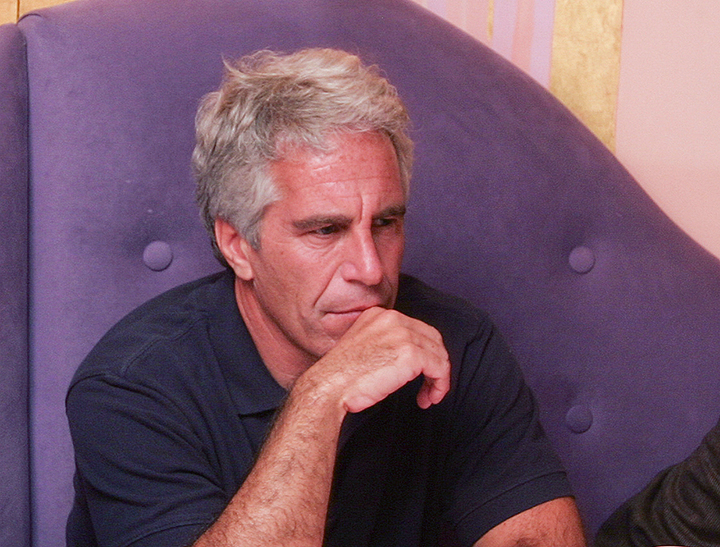
Jeffrey Epstein Scandals: New Revelations, Unanswered Questions, and Global Fallout
February 08, 2026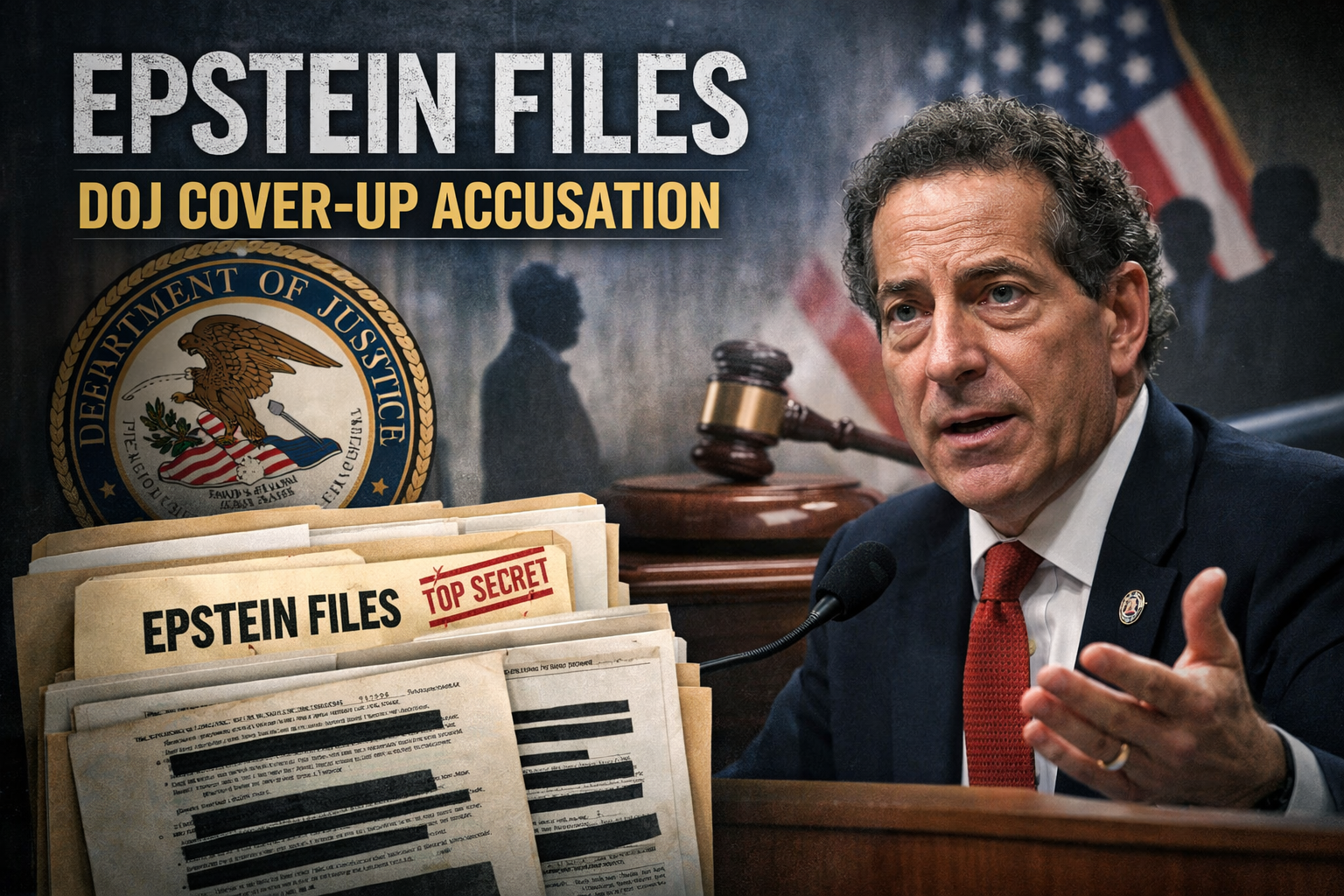






Comments 0