UK Chancellor Rachel Reeves announces a contentious new budget with tax freezes, revenue measures, and welfare proposals as economic pressure intensifies.

UK Chancellor Rachel Reeves announces a contentious new budget with tax freezes, revenue measures, and welfare proposals as economic pressure intensifies.
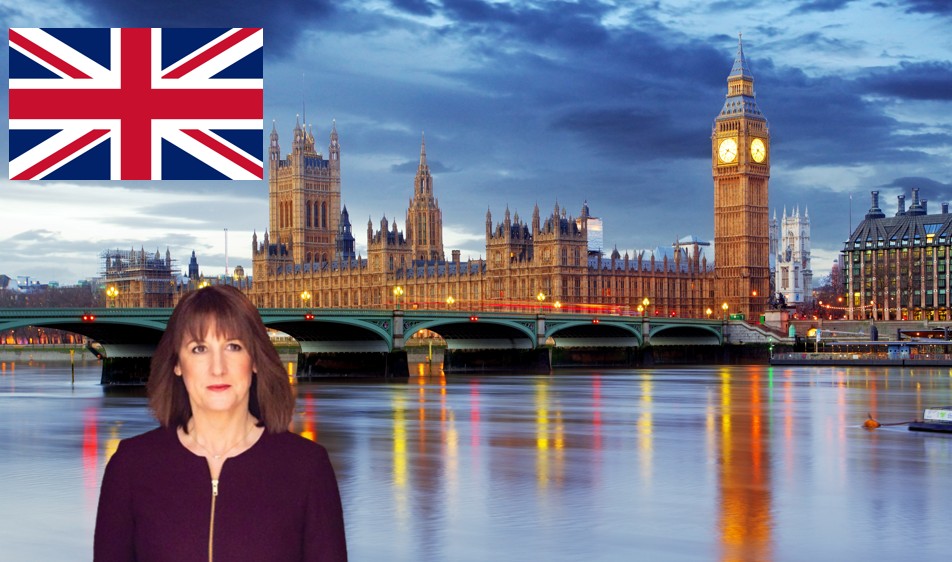
London, UK Britain’s Chancellor of the Exchequer Rachel Reeves has announced a new national budget that is already sparking intense political debate, as the government seeks to navigate slowing growth, rising public debt, and pressure on household incomes.
Unveiled in Parliament on Wednesday, the budget outlines a series of tax adjustments and spending measures that officials say are necessary to stabilise the economy. Critics, however, argue the plan places a disproportionate burden on middle-income families while offering limited relief for struggling sectors.
Reeves’ proposals include freezing income-tax thresholds, a move expected to draw millions more taxpayers into higher bands as wages rise. The government is also exploring a levy on high-value properties, reforms to capital allowances, and changes to savings rules including a reduction in tax-free limits on cash ISAs.
Officials say the measures could bring in up to £20 billion in additional revenue, which the government says will be channelled into public services and debt reduction.
In a bid to accelerate the transition to cleaner transport, the budget introduces subsidies for electric-vehicle purchases while signaling a future shift to per-mile charging for EVs. Rail fares will be frozen, and funding for public transport upgrades will be maintained despite earlier speculation of cuts.
Among the most closely watched proposals is the possible easing of the two-child benefit cap, a policy that has been widely criticised for worsening child poverty in parts of the UK. Prescription charges for the National Health Service will remain fixed as part of a broader effort to contain healthcare costs for low-income families.
Business groups reacted cautiously, noting that while the budget provides some long-term certainty, the overall tax burden on individuals continues to rise. Opposition parties accused the government of masking tax increases behind complex fiscal adjustments.
Reeves defended the package as a “responsible and necessary” step to restore economic stability, insisting that the UK must “return to disciplined financial management” after years of volatility.
Analysts say the budget underscores the challenge facing the government: balancing social welfare with fiscal tightening during a period of sluggish growth and rising geopolitical uncertainty.



Jeffrey Epstein Scandals: New Revelations, Unanswered Questions, and Global Fallout
February 08, 2026








Comments 0