An Israeli airstrike in Beirut reportedly killed senior Hezbollah commander Haytham Ali Tabatabai, escalating regional tensions and raising fears of wider conflict.

An Israeli airstrike in Beirut reportedly killed senior Hezbollah commander Haytham Ali Tabatabai, escalating regional tensions and raising fears of wider conflict.
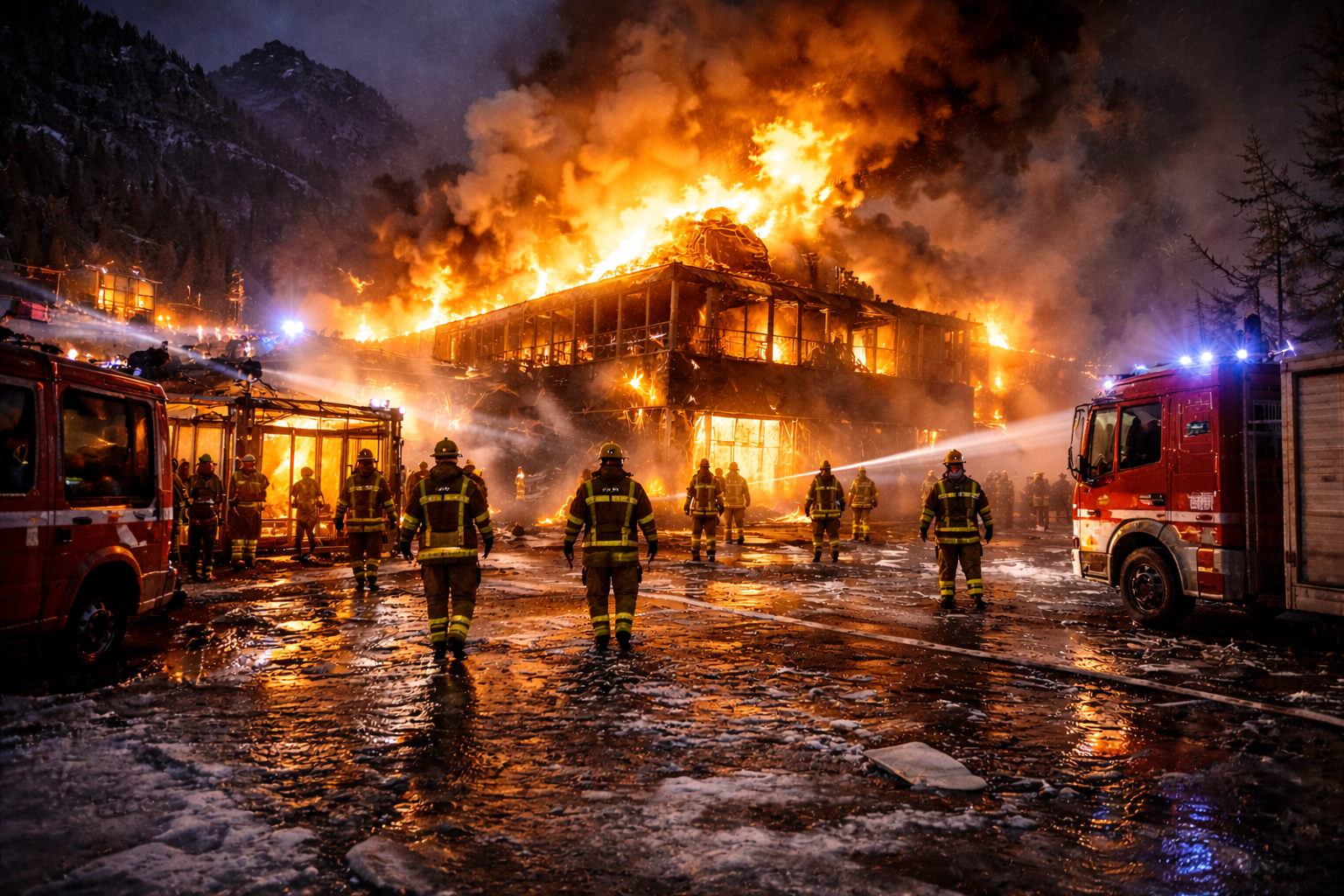
A major escalation erupted in Beirut after an Israeli airstrike reportedly killed Haytham Ali Tabatabai, one of Hezbollah’s most senior military commanders, sending shockwaves across Lebanon and throughout the Middle East. The strike, carried out late Monday night, targeted a building in the southern suburbs of Beirut.
Lebanese officials confirmed multiple casualties, though Hezbollah has not yet released an official statement naming the victims. However, regional intelligence sources say Tabatabai, a key figure involved in external operations, was present at the site and believed to be among the dead.
The airstrike marks one of the most significant Israeli operations inside Lebanese territory in recent years, deepening concerns that the simmering conflict between Israel and Hezbollah could escalate into full-scale war.
Haytham Ali Tabatabai is considered one of Hezbollah’s highest-ranking commanders, reportedly overseeing specialized elite units. His loss would represent a major blow to the group’s military structure.
The strike triggered panic in the suburbs of Beirut, where residents reported hearing multiple explosions and seeing flames rising from the targeted building.
Locals fear this attack could mark the beginning of a broader conflict, especially after months of rising tension between Hezbollah and Israel along the Lebanese border.
Many Lebanese citizens already suffering from economic collapse, electricity shortages, and political gridlock expressed concern that renewed conflict would be devastating.
Israel has not formally claimed responsibility for the strike, following its long-standing policy of strategic ambiguity in regional operations. However, Israeli media reported that the target was a “high-value operational figure” tied to Hezbollah’s cross-border activities.
Sources in the Israeli defense establishment have also hinted that operations will continue as long as Hezbollah maintains military infrastructure close to Israel’s borders.
Regional analysts suggest several possible scenarios:
A direct or indirect strike on Israeli territory likely involving rockets or drones could trigger a cycle of escalation.
Hezbollah may issue symbolic retaliation to maintain deterrence without provoking a full confrontation.
International actors, particularly France, the US, and the UN, may push for urgent de-escalation to prevent another Lebanon–Israel war.
The killing of a high-ranking commander could prompt Iran to expand covert operations across the region.
The Beirut airstrike represents one of the most dangerous escalations in the Israeli–Hezbollah conflict this year. With a senior commander reportedly killed and both sides under internal and external pressure, the Middle East once again faces the possibility of a sudden and unpredictable military confrontation.
AJMN.net will continue tracking developments as they unfold.



Jeffrey Epstein Scandals: New Revelations, Unanswered Questions, and Global Fallout
February 08, 2026







Comments 0