 AJMNAssociated Journalism & Media Network
Central banks keep buying gold even as prices tumble
While households and traders step back, central banks bought an estimated 321 tonnes of gold in the third quarter. Their reasons say a lot about trust in the dollar.
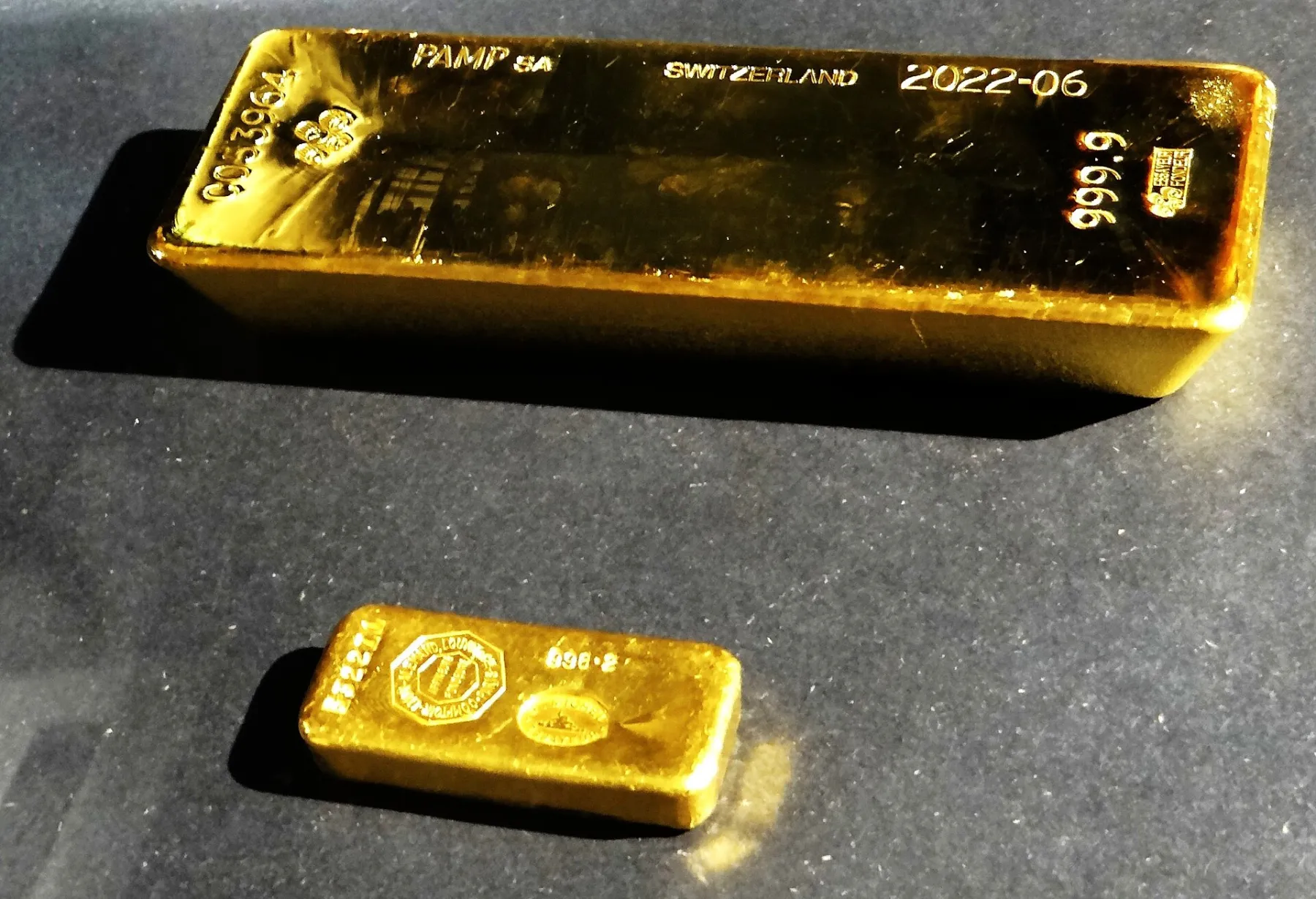
Gold prices have tumbled this autumn, but one group of buyers has not flinched. Central banks bought an estimated 321 tonnes of gold in the third quarter of 2026, 42% more than in the same period a year earlier, according to the World Gold Council's latest Gold Demand Trends report, published on 3 November. Over the first nine months of the year their purchases reached 675 tonnes, 6% ahead of the same point in 2025.
Reported and unreported
Only part of that buying is visible. Central banks reported purchases of about 120 tonnes to the International Monetary Fund and in their own statements. The World Gold Council estimates that another 201 tonnes was bought without being announced, based on trade data and market information. Some countries prefer not to say how much gold they hold, so the total is an estimate rather than a count. Others are open about their plans: Poland's central bank has said publicly that it wants gold to make up a larger share of its reserves over time.
Among the buyers that are known, China, Poland and the Czech Republic continued purchases they have been making for several years, despite gold trading near record levels for much of the year. The council now expects central bank buying in 2026 to at least match last year's total.
Everyone else is pulling back
The contrast with other buyers is sharp. Global jewellery demand fell 17% to 313 tonnes in the third quarter, the weakest third quarter in the council's records going back to 2000. Demand for bars and coins fell 19% to 268 tonnes. Total gold demand of 1,369 tonnes was 1% lower than a year earlier, held up mainly by central banks and by 211 tonnes of inflows into gold exchange-traded funds. The average price in the quarter was $4,262 an ounce, 23% higher than a year before, which explains why many families bought less.
Since then the price has fallen much further, to around $3,535 an ounce on 20 November, as we report here. For central banks with long horizons, lower prices can be an opportunity rather than a warning.
Why central banks want gold
Central banks hold reserves to defend their currency, pay for imports in an emergency and reassure markets. For decades most of those reserves have been kept in US dollars, mainly in American government bonds. The dollar is still by far the largest reserve currency, accounting for well over half of the reserves that countries report to the IMF.
Gold offers something different. It is not anyone's debt, it cannot be printed, and a bar kept in a national vault cannot be frozen by another government. That last point gained weight in 2022, when Western countries froze a large part of Russia's central bank reserves after the invasion of Ukraine. Many countries that are not in conflict with anyone drew a quiet conclusion: it is wise not to keep all reserves in assets controlled by others.
Gold also tends to hold value when the dollar weakens, which makes it a useful balance in a reserve portfolio. We explain that relationship in our guide to gold and the dollar.
Not the end of the dollar
None of this means the dollar is about to lose its central place. Gold markets are small compared with the market for US government debt, and gold pays no interest. What it does show is a steady shift at the margin: central banks are spreading their risk, and gold is the main beneficiary. As long as that continues, it puts a floor of patient demand under a market that, for everyone else, has turned nervous.
This article is for information only and is not investment advice.
Sources: World Gold Council, Gold Demand Trends Q3 2026 and its central banks chapter; IMF COFER reserve data.