 AJMNAssociated Journalism & Media Network
Gold price slides to a 14-month low as Fed hike bets lift dollar
The gold price has lost about a third of its value since January. A hawkish Federal Reserve, a firmer dollar and high bond yields explain most of the fall.
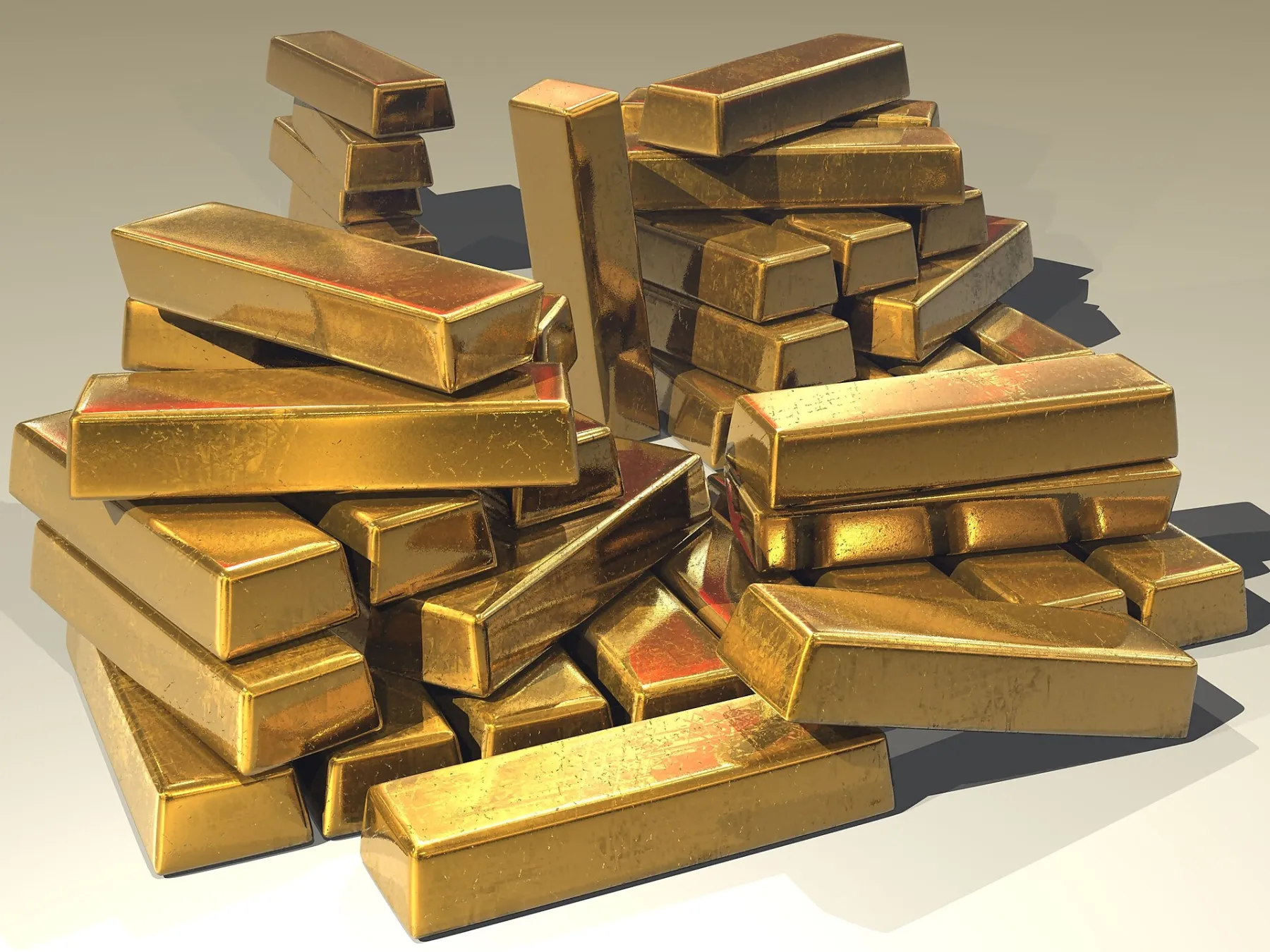
The gold price fell to about $3,535 an ounce on Friday 20 November, according to Trading Economics, its lowest level since September 2025. The metal lost 2.5% in a single day and about 15% over the past month, its steepest weekly drop in eight months. That leaves gold roughly 35% below the record of about $5,405 an ounce set on 29 January, based on the London benchmark price.
For a metal that many investors bought this year as a safe place to park money, it has been a rough autumn. The reasons have little to do with gold itself and a lot to do with the US dollar and American interest rates.
The Fed is still raising rates
The US Federal Reserve raised its key interest rate by a quarter point on 16 September, to a range of 3.75% to 4.00%. On 28 October it held rates there, but two of its twelve voting members, Lisa Cook and Beth Hammack, voted for another increase. The Fed's statement said inflation "remains elevated". Consumer prices rose 3.7% in the year to September.
Markets now treat another rate rise at the Fed's meeting on 8 and 9 December as close to certain. Higher rates hurt gold in a simple way: gold pays no interest. When a US government bond pays almost 5% a year, and the yield on the 10-year Treasury reached about 4.94% on Friday, holding a bar of metal that pays nothing becomes more expensive.
A stronger dollar
Gold is priced in dollars around the world. When the dollar rises, gold becomes more expensive for buyers paying in euros, yen or rupees, and demand from them tends to fall. The dollar index, which measures the US currency against six major peers, stood near 103.8 on Friday, up from below 99 in early September. We explain this relationship in more detail in our guide to gold and the dollar.
Selling gold to cover losses
There is also a market effect. Shares in technology and AI companies have fallen sharply since the summer. When investors lose money in one place, they often sell what has done well elsewhere to raise cash. Gold, after a strong 2025, was an obvious candidate.
Ordinary buyers had already stepped back. According to the World Gold Council, global jewellery demand fell 17% in the third quarter to 313 tonnes, the weakest third quarter in its records going back to 2000, and demand for bars and coins fell 19%. High prices in the summer simply priced many families out.
What it means in the Gulf
For buyers in the Gulf, the fall is felt almost one for one. The UAE dirham, Saudi riyal and Qatari riyal are pegged to the US dollar, so local gold prices follow the dollar price closely. At about $3,535 an ounce, pure gold is worth roughly AED 417 a gram before making charges and shop margins, compared with about AED 638 at the January peak. For families buying jewellery for weddings, that is a real saving. For those who bought at the top, it is a paper loss of about a third.
What to watch
The next big test is the Fed meeting on 8 and 9 December. A larger rise than expected would likely push the dollar up and gold down further. A softer message could bring buyers back quickly. Analyst models compiled by Trading Economics point to a price near $3,500 by the end of the year, but forecasts for gold have been wrong in both directions this year.
One group is not selling. Central banks bought an estimated 321 tonnes of gold in the third quarter, 42% more than a year earlier, as we report in our look at central bank buying. Their steady demand is one reason many analysts believe the long-term case for gold is intact, even if the next few weeks remain volatile.
This article is for information only and is not investment advice.
Sources: Trading Economics (prices, yields, dollar index, 20 November); World Gold Council, Gold Demand Trends Q3 2026; iFOREX (January record, LBMA benchmark); Cambridge Currencies (Fed decisions, inflation).